Hire Right, Bid Smart, Sign Safe: Your Home Project Playbook
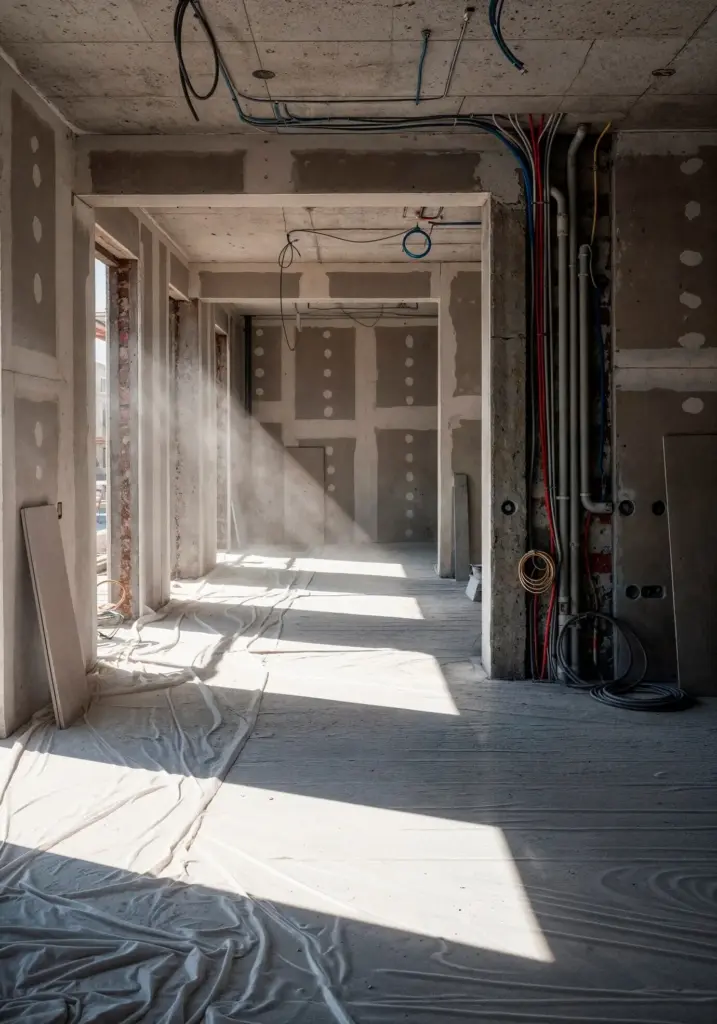
Today we dive into contractor vetting, bids, and contracts so your home project starts with clarity and finishes with pride. You will learn how to verify credentials, request comparable proposals, negotiate protective terms, and manage work without friction. Bring questions, your wish list, and an open mind. By the end, you will feel prepared to evaluate professionals, compare costs fairly, and sign agreements that protect your timeline, budget, and peace of mind.

Before You Call: Clarify Scope, Budget, and Timeline

Strong outcomes begin long before the first estimate. Create a clear scope, realistic budget, and honest timeline so contractors can price accurately and you can compare proposals fairly. Even a one-page outline works wonders. Document must-haves, trade-offs, finishes, and constraints. Add measurements, photos, and inspirational references. A small contingency cushions surprises and stops panic. When your vision is consistent, you will attract better talent, reduce misunderstandings, and avoid costly change orders that creep in when details are fuzzy at the start.

Define Success, Must‑Haves, and Nice‑to‑Haves

Write down how the finished space should feel and function, not just how it should look. Distinguish what cannot be compromised from what is flexible if costs rise. Rank features by importance, note accessibility or durability needs, and identify any neighborhood, HOA, or historical restrictions. This list guides tradeoffs during bidding and keeps conversations grounded when shiny add‑ons appear. Clear priorities transform vague desires into practical direction, saving money and preserving the parts of the project that matter most to you.

Set a Realistic Budget With Contingency

Estimate costs using recent local projects, material price checks, and square‑foot ranges, then add a ten to twenty percent contingency for unknowns. Be honest about cash flow and financing timelines so payment schedules match your reality. If initial numbers exceed comfort, reduce scope before bidding rather than gambling on miracle discounts. Transparent budget boundaries encourage contractors to suggest cost‑savvy alternatives, value engineering options, and smarter sequencing. A clearly signaled ceiling prevents scope creep, strained relationships, and awkward renegotiations after work has already begun.

Finding and Vetting Pros: Due Diligence That Protects You

A polished website is not proof. Verification is. Cross‑check licenses, insurance, and past performance before sharing your address. Ask neighbors, designers, and inspectors who reliably shows up, cleans up, and communicates. Call references with specific questions about budget control and change management. Review portfolios for workmanship and complexity similar to your scope. Meet in person to assess rapport and transparency. Doing this homework filters pretenders, elevates true professionals, and sets the tone that your project will be organized, respectful, and accountable from day one.

Requesting Apples‑to‑Apples Bids

Comparable bids require comparable instructions. Provide a concise bid package containing scope, drawings or sketches, material specifications, allowances, timeline expectations, site rules, and requested deliverables. Ask for labor, materials, permits, and overhead separated. Require a written schedule outline and a list of exclusions. Set a clear submission deadline and a Q&A window to keep information consistent for all bidders. When every professional prices the same assumptions, you can evaluate strategy and value instead of guessing which estimate forgot demolition, disposal, or crucial finish selections.

Contracts Without Surprises

Scope, Specifications, and Allowances That Stay Put

List the exact rooms, systems, and finishes included, along with exclusions to avoid assumptions. Attach drawings, product cut sheets, and finish schedules. Use realistic allowances for undecided items and document how overruns are approved. Clarify who patches and paints after trades. Define acceptable tolerances so quality can be measured objectively. A precise scope stops the awkward refrain of “that wasn’t included” mid‑project, keeps bids comparable, and turns the contract into a practical guide that steers every conversation when decisions become stressful and hurried.

Change Orders That Are Fair and Documented

Changes happen. Plan for them. Require written change orders that describe the modification, cost impact, and schedule shift before work proceeds. Ask for unit rates where possible to speed approvals. Insist that allowances and contingency usage are tracked separately from base contract value. Clear steps prevent resentment and help you decide with full visibility. When unexpected discoveries appear behind walls, a calm, pre‑agreed process transforms panic into manageable adjustments and preserves goodwill on both sides when the project reveals its inevitable surprises.

Payments, Retainage, and Lien Waivers

Tie payments to completed milestones instead of vague dates. Hold a modest retainage until punch list completion to motivate finish quality. Require conditional lien waivers with each progress payment and unconditional waivers once funds clear. Verify subcontractor waivers on larger jobs to avoid double payment risk. Accept only documented extras on invoices that reference approved change orders. Transparent, milestone‑based payments protect your cash while rewarding steady progress, and they reduce disputes because everyone shares the same yardstick for measuring when money should move.

Insurance, Permits, and Playing by the Rules

Coverage That Really Covers

Ask for current certificates of general liability and workers’ compensation that explicitly match your project address and dates. Confirm policy limits are appropriate for your home’s value. If the contractor is exempt from workers’ compensation, understand the implications and ensure any subcontractors are covered. Clarify how damage claims are reported and resolved. Insurance is a safety net you hope never to test, yet possessing it separates careful professionals from risky operators who shift liabilities to unsuspecting homeowners when accidents inevitably happen.

Permits and Inspector Partnerships

Permits are not mere paperwork; they are a roadmap for safe, compliant work. Decide who will apply, pay fees, and attend inspections. Build inspection lead times into the schedule, and avoid covering work before approval. Treat inspectors as collaborators by asking clarifying questions early. Keep drawings, product data, and structural calculations ready onsite. When the process is transparent, approvals become predictable, rework decreases, and the finished project carries documented assurance that electrical, plumbing, and structural systems meet standards designed to protect your family.

Safety, Cleanliness, and Neighbor Harmony

Set expectations for daily cleanup, dust containment, and protection of floors, landscaping, and adjacent rooms. Specify dumpster placement, work hours, parking etiquette, and noise considerations. Ask for plastic barriers, negative air machines when needed, and safe material storage. Clear site rules reduce friction and accidents while keeping neighboring relationships intact. Crews appreciate a well‑organized environment because it speeds work and reflects professionalism. When respect is built into the plan, the energy on site stays positive, productive, and calm throughout demanding phases.

Managing the Build: Communication and Documentation

Projects thrive on rhythm. Establish weekly check‑ins, status notes, and photo updates so everyone sees progress and blockers together. Keep decisions centralized in writing to avoid “he said, she said” spirals. Use a simple shared log for questions, approvals, and deliveries. Label selections with model numbers and finish codes so substitutions do not sneak in. When communication becomes routine and documentation is visible, tension drops, timelines stabilize, and craftsmanship improves because the crew spends more time building and less time untangling confusion.

Wrap‑Up: Acceptance, Warranties, and Living With the Results

Finishing strong matters as much as starting smart. Conduct a thorough walkthrough, create a punch list, and tie final payment to completion of specific items. Collect manuals, warranty cards, paint codes, and as‑built notes. Schedule seasonal check‑ins for settling, caulking, and minor adjustments. Celebrate what went right and document lessons so the next project is easier. When handoff materials are complete and responsibilities are clear, you enjoy the space with confidence, knowing how to maintain finishes and who to call if something needs attention.

Substantial Completion, Punch Lists, and Sign‑Off

Define substantial completion in writing and verify core systems function safely before moving to the finish line. Walk each room with blue tape, noting touch‑ups, alignment tweaks, and missing trim pieces. Agree on dates for completion and re‑inspection. Hold final payment until the list is done and the site is truly clean. This structured closure avoids open‑ended limbo, protects both parties, and ensures that the quality you envisioned is the quality you receive when tools finally leave and quiet returns.

Warranties, Maintenance, and Care Schedules

Gather contractor and manufacturer warranties with terms and claim procedures. Record install dates, batch numbers, and finish codes for future matching. Create a maintenance plan covering sealants, filters, grout, caulk, and seasonal checks. Store spare tiles, flooring planks, and touch‑up paint labeled by room. A simple calendar reminder system keeps small tasks from snowballing into expensive repairs. With documentation close at hand, you protect your investment and extend the life of every surface, system, and beautifully crafted detail you just paid for.

Post‑Project Review and Community Learning

After the dust settles, reflect on what worked and where friction emerged. Capture notes on scope clarity, budgeting accuracy, and contractor responsiveness. Share honest feedback and photos with your community to help neighbors choose wisely. Consider subscribing to updates and asking questions about future project phases or maintenance challenges. Learning from your own experience compounds value over time, making the next renovation calmer, cheaper, and faster. Your story, generously told, becomes a lantern for someone else’s journey tomorrow.
Zunakopekeninani
Privacy Overview

This website uses cookies so that we can provide you with the best user experience possible. Cookie information is stored in your browser and performs functions such as recognising you when you return to our website and helping our team to understand which sections of the website you find most interesting and useful.